
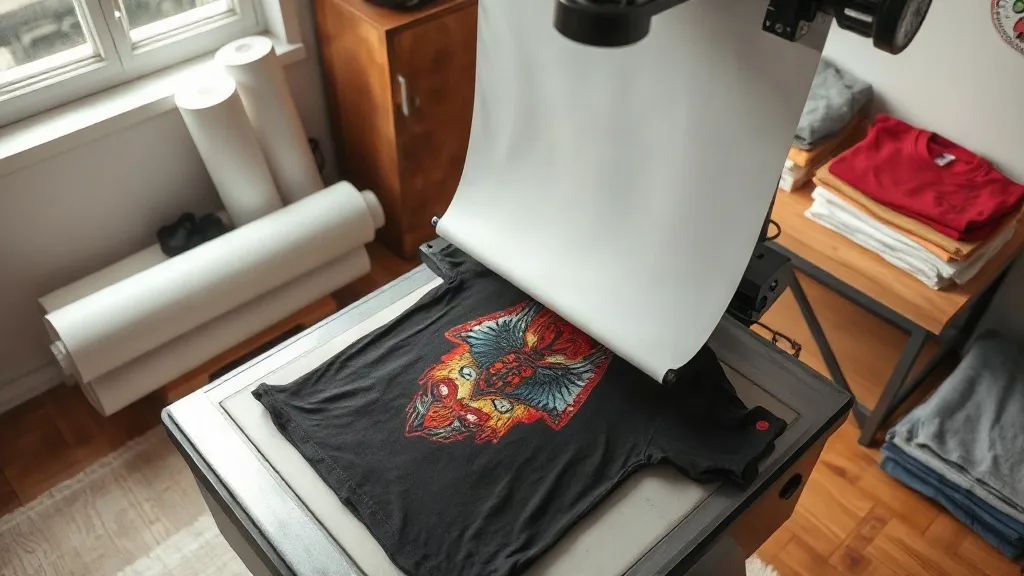
You have probably seen the results before you knew the name. A friend's hoodie with a photo-grade print that survived a dozen washes. A small brand selling tees with colors so crisp they look screen-printed, except the design has a gradient and a dozen shades. That is usually dtf transfers doing the work, and once you understand the process, it stops looking like magic and starts looking like a tool you can actually use.
This guide is for people who want to print shirts without buying a screen-printing setup, or who already press transfers and keep running into the same problems: cracking edges, dull colors, prints that peel after three washes. We will cover what dtf is, how to press it properly, where it beats other methods, and the mistakes that cause most failures.
What DTF Actually Is
DTF stands for direct-to-film. A printer lays your design onto a special film, printing with pigmented inks in reverse order, and then a layer of adhesive powder is applied to the wet ink. That powder is the part most people do not think about, but it is the whole trick. When you heat-press the film onto fabric, the powder melts and bonds the ink to the garment.
The result is a transfer you can store, ship, and press later. You are not printing directly onto the shirt, which means you are not limited to cotton. Polyester blends, canvas tote bags, some nylon jackets, and even harder-to-print fabrics all take DTF well. That flexibility is why small apparel brands and one-person print shops have moved toward it.
How It Differs From Vinyl and Screen Printing
Heat transfer vinyl is cut from sheets, so it handles solid shapes and simple text but struggles with photographs and fine gradients. Screen printing gives excellent durability and low per-unit cost at volume, but setup costs make short runs expensive. DTF sits in the middle: no screen setup, full-color printing with fine detail, and reasonable durability when pressed correctly.
The tradeoff is feel. A DTF print sits slightly on top of the fabric rather than soaking in, so on very lightweight, stretchy shirts it can feel a bit rubbery. On standard cotton tees and hoodies, most people do not notice after the first wash.
Pressing DTF Transfers So They Survive the Wash
Nearly every complaint about DTF comes down to pressing. The film and ink are consistent; the variables are temperature, pressure, time, and how you peel. Get those four right and the print will outlast the shirt.
Temperature and Pressure
Most DTF films press in the 150 to 160 degree Celsius range, roughly 300 to 320 Fahrenheit. Too cool and the adhesive powder will not fully melt, which shows up as edges that lift after a few washes. Too hot and you can scorch the film or cause the ink to spread slightly, blurring fine detail.
Pressure matters as much as heat. A press with firm, even pressure pushes the melted adhesive into the fabric fibers. A hand iron works in a pinch but gives uneven results, and most peeling complaints trace back to hand-ironed transfers. If you plan to sell printed garments, a proper heat press is not optional.
Peel Timing
Most DTF films are cold peel, meaning you wait until the transfer is fully cool before pulling the film away. Peeling while hot can stretch the ink and leave a rough, matte finish. Some films are formulated for warm peel, so check what your supplier specifies. When in doubt, wait. A cold peel almost never causes damage.
The Second Press
After peeling, many printers recommend a short second press with a cover sheet or parchment. This smooths the print, improves the hand feel, and locks the edges down. It takes ten seconds and noticeably extends the life of the print.
- Pre-press the garment for a few seconds to remove moisture, which otherwise causes steam and poor adhesion.
- Use firm pressure, not just heat. Light pressure is the most common cause of edge lifting.
- Let the transfer cool completely before peeling unless your film is labeled warm peel.
- Do a short second press with a cover sheet to seal the edges.
- Wash inside out, cold, and skip the dryer's high heat if you want maximum lifespan.
When DTF Makes Sense, and When It Does Not
DTF is a strong fit for short runs, sample production, and designs with lots of color. If you are making twenty shirts for a team, a band, or a launch, DTF lets you print full-color artwork without paying screen setup fees. It is also the practical choice for print-on-demand sellers who need to ship individual orders without holding inventory.
It is less ideal for very large runs, where screen printing wins on cost per unit, and for garments with heavy texture or coatings that resist adhesion. Very stretchy activewear can also cause prints to crack if the design spans a high-stretch area. Placing the print on a lower-stretch zone, or sizing it slightly smaller, solves most of that.
What to Check Before You Order
If you are buying transfers rather than printing your own, the quality of the film and powder matters more than most buyers realize. Cheap film can wrinkle in storage and cause press marks. Low-grade powder leaves a stiff, gritty surface. Ask about film brand, powder type, and whether the transfers are shipped flat or rolled. Rolled transfers stored too long can take on a curl that makes pressing awkward.
When people search for dtf transfers near me, they are usually looking for a local printer who can turn around a small order quickly. Worth knowing: many transfers ship well and arrive in a few days, so proximity is less important than print quality and clear pressing instructions. A supplier who tells you the exact press temperature and peel type for their film is a supplier worth keeping.
Common Mistakes That Ruin Prints
The failures are predictable once you have seen a few. Moisture in the garment is the quiet killer; pre-pressing solves it. Pressing twice at the same spot without a cover sheet can leave a shiny rectangle around the design. Peeling too early stretches the ink. Washing a freshly pressed shirt in hot water before the adhesive has fully cured can cause lifting.
One more: storing transfers in a humid room. The powder layer is sensitive to moisture, and film that has absorbed dampness will not bond cleanly. Keep transfers sealed and flat until you are ready to press them.
Frequently Asked Questions
How many washes do DTF transfers typically survive?
Pressed correctly on cotton or a cotton-poly blend and washed inside out in cold water, a good DTF print commonly lasts thirty to fifty washes or more before noticeable fading. Longevity depends far more on pressing quality and laundry habits than on the transfer itself.
Can I press DTF transfers with a household iron?
You can, but results are inconsistent. An iron does not deliver even pressure across the whole design, so edges often lift. If an iron is your only option, use firm pressure, work in sections, and accept that the print may not last as long as a heat-pressed one.
Do DTF transfers work on dark and colored shirts?
Yes, and this is one of their main advantages. The white ink layer sits under the color, so designs stay vivid on black, navy, and other dark garments without a separate white underbase step. Vinyl and some other methods struggle here.
How should I store unused transfers?
Keep them flat, dry, and away from direct sunlight. A sealed bag in a cool room works well. Avoid rolling them tightly for long periods, and do not stack heavy items on top, since creases in the film can transfer into the print.
Is DTF suitable for selling printed apparel?
Many small brands build their entire product line on it. It handles full-color artwork, supports short runs, and needs no screen setup. The main requirement is a reliable heat press and consistent pressing routine, since customer complaints about peeling usually come from production shortcuts rather than the method.