
Every print shop owner knows the sting of a one-and-done order. A customer walks in with a design idea, you print it beautifully on a blank, they pay, they leave, and you never hear from them again. The design was fine. The print was sharp. So what went wrong? More often than you would think, the answer is the blank itself. The shirt they wore once and shoved to the back of the drawer is the reason they never came back. That is where smart blanks enter the picture, and why they deserve a permanent spot on your shelf.
Repeat business does not come from the cheapest quote. It comes from the moment a customer pulls the shirt over their head and thinks, oh, this actually feels good. That small moment of surprise is worth more than any loyalty punch card. This article is about engineering that moment on purpose, using the right blanks and a few practical habits that cost you almost nothing.
Why the Blank Decides Whether a Customer Returns
Think about the last time you bought a custom shirt from a small brand. You probably judged it within five seconds of putting it on. The collar either sat right or it did not. The fabric either felt substantial or it felt like a paper towel. The shoulders either fell naturally or they bunched up near your ears. None of that has anything to do with the print. It all comes down to the garment underneath.
Customers rarely articulate this. They just know they did not love the shirt, and they do not order again. As the shop owner, you absorb the blame silently. You printed a perfect transfer on a blank that was never going to make anyone happy.
This is why blank selection is not a back-office detail. It is a customer retention strategy hiding in plain sight. A blank with a consistent fit, a soft hand, and a collar that holds its shape turns a one-off purchase into a wardrobe staple. And a wardrobe staple gets reordered, gifted, and recommended to friends.
What Makes a Blank Smart, Not Just Cheap
The term smart blanks gets thrown around loosely, so it helps to be specific about what actually earns the label. A smart blank is not simply the lowest-priced option on the wholesale list. It is the garment that balances three things at once: a reliable fit across sizes, fabric that behaves well under heat and pressure, and a price point that leaves you room to make a real margin.
Fit consistency across the size run
Nothing erodes trust faster than a size run that behaves unpredictably. If a medium fits like a large and an extra-large runs short, your customer notices, and they assume you sourced carelessly. Smart blanks are cut to predictable specs, so the shirt a customer loved in medium will fit the way they expect when they order a large for a friend.
Fabric that plays nicely with DTF transfers
Direct-to-film transfers bond best to fabrics with a smooth, tight surface and a bit of structure. Loose, slubby knits and heavy moisture-wicking synthetics can fight you on adhesion and hand feel. A well-chosen cotton or cotton-blend blank gives you a clean press, sharp edges on fine details, and a finish that survives normal washing without cracking prematurely.
Price that protects your margin
A blank can be beautiful and still be a bad business decision if it eats your entire profit. The sweet spot is a garment that feels premium to the customer while sitting at a cost that lets you price fairly and still keep something for yourself. That gap between perceived value and actual cost is the whole game.
Where Shaka Wear Fits Into a Repeat-Customer Strategy
If you have spent any time in the custom apparel world, you have probably noticed that certain blanks develop a reputation. shaka wear has earned that reputation for a reason: the garments are built with a weight and drape that read as intentional rather than generic. Customers who receive a shaka wear tee tend to treat it as a real piece of clothing, not a promotional giveaway they will wear once to a company picnic.
That distinction matters enormously for retention. When a customer's first order arrives on a blank that feels substantial, their mental model of your shop shifts. You are no longer the person who prints shirts. You are the person who makes good shirts. The next order, whether it is for a family reunion, a small brand drop, or a gym team, starts with less hesitation and fewer price negotiations.
Pairing shaka wear with a thoughtful DTF workflow gives you a blank that holds detail well and a print that looks professional from across the room. That combination is what turns a first order into a testimonial, and a testimonial into three more orders from that customer's circle.
Practical Habits That Turn First Orders Into Repeat Orders
Choosing a good blank is the foundation, but a few small operational habits do the rest of the work. None of these require extra budget. They require attention.
- Send a size chart with every order confirmation. A customer who orders the wrong size and has a frustrating exchange experience is a customer you may never see again. A simple chart prevents most of these headaches.
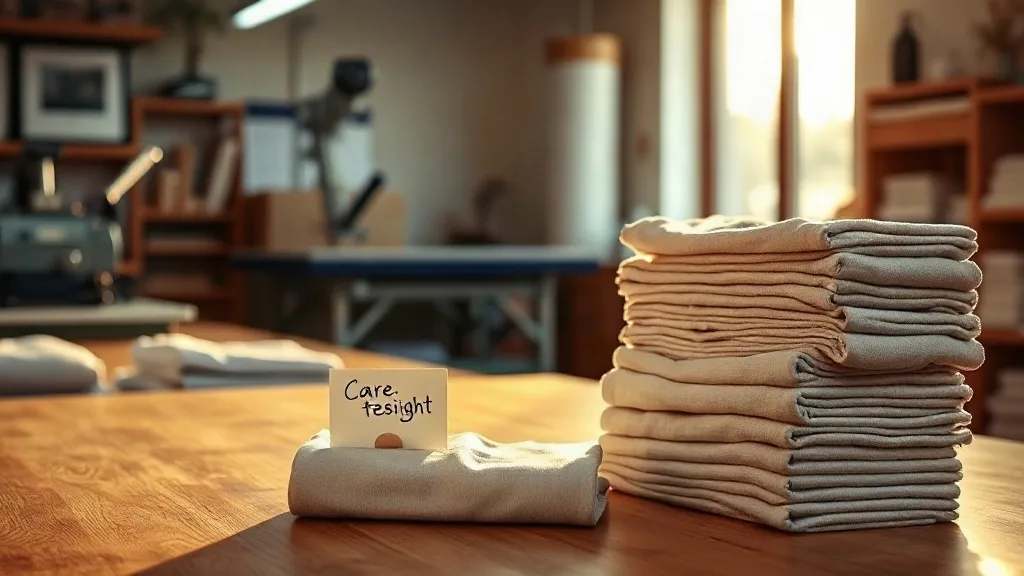
- Include a care card. A short note explaining how to wash a DTF-printed garment extends the life of the print and shows you care about the product after the sale.
- Follow up two weeks later. A brief message asking how the shirt is holding up does two things: it surfaces problems early, and it reminds the customer that you exist.
- Keep a note on their preferred blank and size. When they reorder, you can move faster and sound like you remember them, because you do.
These habits compound. A customer who feels remembered is a customer who tells a friend. And in a market where everyone can print a shirt, being the shop that remembers is a genuine competitive advantage.
The Economics of Retention Versus Acquisition
Chasing new customers is expensive. You pay for ads, you compete on price, you spend time educating people who may never order again. Keeping an existing customer is dramatically cheaper, and the orders tend to be larger and less price-sensitive because trust is already established.
This is the quiet argument for investing in better blanks. A slightly higher cost per garment is trivial compared to the cost of replacing a lost customer. When you run the numbers over a year, the shop that spends a little more on smart blanks and a little less on re-acquisition usually comes out ahead. The shirt does the marketing for you, one satisfied wearer at a time.
Common Mistakes That Quietly Kill Repeat Business
Even well-run shops fall into a few traps. Watch for these.
- Switching blanks to save a few cents. Customers notice when the fit or feel changes between orders. Consistency is worth more than the savings.
- Overpromising turnaround times. A late order sours the entire experience, no matter how good the print looks.
- Ignoring the unboxing moment. A clean fold, a protective bag, and a handwritten thank-you note cost almost nothing and are remembered for years.
- Treating every order as transactional. The shops that build loyal bases treat each order as the start of a relationship, not the end of a transaction.
Frequently Asked Questions
What are smart blanks, and how are they different from standard wholesale tees?
Smart blanks are garments chosen for a balance of consistent fit, fabric that works well with heat-applied transfers, and a cost that leaves room for healthy margins. Standard wholesale tees are often selected on price alone, which can lead to inconsistent sizing and a hand feel that disappoints customers after the first wash.
Why does the blank matter so much for DTF printing?
DTF transfers bond to the fabric surface, so the texture and structure of the blank directly affect adhesion, edge sharpness, and durability. A smooth, well-structured cotton or cotton blend gives you a cleaner press and a print that holds up over time, while loose or highly synthetic fabrics can produce a duller, less durable result.
How do I encourage repeat orders without offering discounts?
Focus on the experience after the sale. Include a size chart, add a care card, follow up two weeks after delivery, and keep notes on each customer's preferences. Customers return to shops that make them feel remembered, and that feeling costs you far less than a discount.
Is it worth paying more per blank if it means fewer customer complaints?
In most cases, yes. The cost of replacing a lost customer through ads and outreach usually dwarfs the few extra dollars per garment. A better blank reduces exchanges, improves word of mouth, and supports higher pricing because the product genuinely feels premium.
How many blanks should a small shop keep in stock?
Start with a focused core range in the sizes and colors your customers order most, and expand only when you see consistent demand. Carrying too many variants ties up cash and can lead to stale inventory, while a tight, well-chosen range keeps your reorders fast and your shelves clean.