
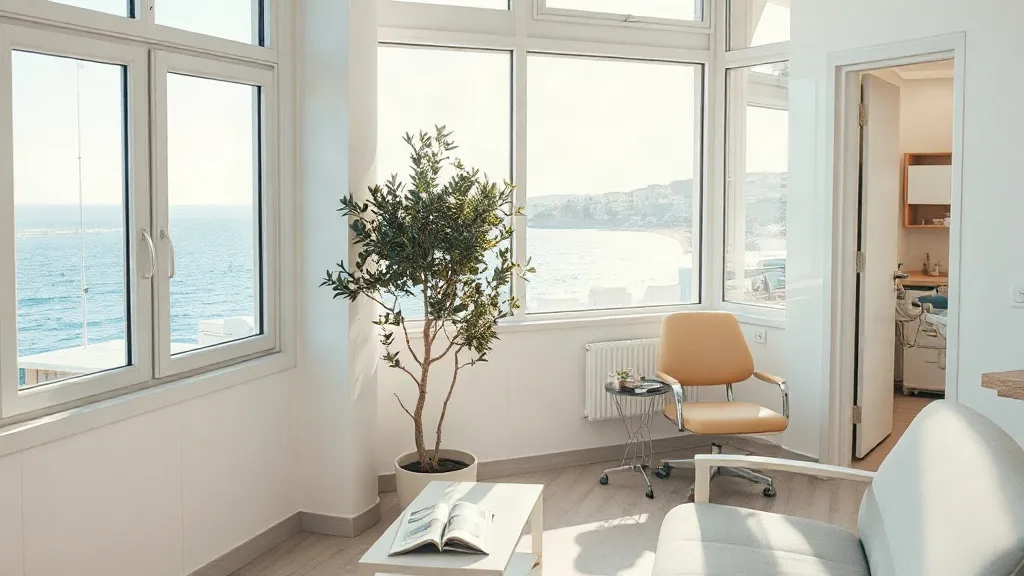
Most people who start searching for a gumbet dentist are not doing it out of idle curiosity. They have a chipped molar, a crown that keeps coming loose, or a treatment plan quoted at a price back home that made them sit down. Gumbet sits a short dolmuş ride from Bodrum centre, and over the past decade it has quietly become a place where holidaymakers book a check-up between beach days and end up leaving with a cleaned smile. This guide walks through what that experience actually looks like, how to tell a well-run clinic from a rushed one, and where the nearby Bitez alternatives fit in.
Why Gumbet Became a Dental Destination
Gumbet's main street is a mix of hotels, bars, and small businesses, but behind the seafront there is a cluster of dental practices that serve both locals and visitors year-round. The appeal is practical rather than glamorous. Clinics here can often offer same-week appointments, English-speaking coordinators, and prices that include the consultation that would cost extra elsewhere. Many are within walking distance of the beach, which means a morning appointment does not swallow the whole day.
The peninsula also has a deep pool of dentists who trained in Istanbul, Ankara, or Izmir and then moved west for a quieter pace of life. That matters because a clinic's quality usually comes down to the individual clinician, not the sign above the door. A well-equipped practice with a dentist who has spent fifteen years doing restorative work will beat a flashy building every time.
What a Typical First Visit Involves
A proper initial appointment should feel unhurried. Expect a visual examination, a conversation about your medical history, and X-rays if you have not brought recent ones. Good clinics ask about medications, allergies, and previous complications before anyone picks up an instrument. If you are offered a treatment plan within five minutes of sitting down, with no imaging and no questions, that is a signal to slow down.
Bring whatever records you have: old X-rays on your phone, a list of current prescriptions, and any notes from your dentist at home. Even a blurry photo of your last treatment plan helps the clinician understand what has already been done. This is the single easiest way to make a short appointment count.
How to Vet a Clinic Before You Book
Reviews are useful but should be read carefully. Look for detail: a reviewer who mentions a specific dentist by name, describes a follow-up call, or explains how a complication was handled tells you more than fifty five-star ratings with no text. Watch for patterns in negative reviews too. Occasional complaints about waiting times are normal anywhere. Repeated mentions of rushed treatment or unclear pricing are not.
Ask direct questions by email or WhatsApp before committing:
- Who will perform the treatment, and what are their qualifications?
- Is the quoted price final, including lab fees and follow-up visits?
- What happens if a crown or filling fails after I fly home?
- Which sterilisation method do you use, and can I see the equipment?
- Do you have a dentist who speaks fluent English?
A clinic that answers these clearly and without defensiveness is usually a clinic that runs properly. Vague answers about warranty or aftercare are worth treating as a warning, especially for anything involving implants or multiple crowns.
Sterilisation and Safety Standards
Turkish dental practices are regulated, and reputable clinics follow standard sterilisation protocols: autoclaves with logged cycles, single-use needles and gloves, and sealed instrument pouches opened in front of the patient. You do not need to be an expert to check this. Simply ask to see the sterilisation area. A confident clinic will show you without hesitation.
Bitez as an Alternative Base
Ten minutes west of Gumbet, Bitez is quieter and greener, with a long curved beach and a slower atmosphere. Some visitors prefer to stay there and travel in for appointments, and a bitez dentist can be a good fit if your hotel is on that side of the peninsula. The practical difference is mostly logistics: shorter transfers, calmer evenings, and often easier parking if you are renting a car.
Treatment standards do not change dramatically between the two areas. What changes is the feel of the trip. If you want nightlife and convenience, Gumbet works well. If you want to recover from a extraction in peace with a book and a sea view, Bitez is hard to beat.
Planning Treatment Around a Holiday
The biggest mistake visitors make is underestimating healing time. A simple cleaning or filling can fit into a normal holiday. A root canal, extraction, or implant placement needs breathing room. As a rough guide, allow at least two to three days after an extraction before flying, and longer if you have had surgical work. Airlines and dentists differ on this, so confirm with your clinician rather than assuming.
If you are combining a holiday with a larger treatment plan, think in stages. Many clinics will do diagnostics and the first phase on one trip, then schedule the final fitting for a later visit. This spreads the cost and gives your mouth time to settle. It also means you are not sitting in a chair on the last afternoon of your holiday, anxious about a flight.
A Realistic Example
Consider a visitor who needs two crowns replaced and a hygiene appointment. A sensible plan might be: consultation and X-rays on day one, preparation and temporary crowns on day two, a check on day four, and final fitting before departure if the lab turnaround allows. If it does not, the temporaries travel home and the finals are fitted on a return trip. A clinic that explains this clearly upfront is being honest, not difficult.
Costs, Expectations, and What to Confirm in Writing
Prices in the Bodrum area are generally lower than in the UK or much of Western Europe, which is part of the draw. But comparisons are only meaningful if you know what is included. Ask for a written breakdown covering the consultation, imaging, lab work, materials, and any follow-up. Confirm the currency and whether card payments carry a surcharge.
Be sceptical of quotes that are dramatically lower than every other clinic you contact. Sometimes that reflects a smaller practice with lower overheads. Sometimes it reflects cheaper materials or a lab that cuts corners. The middle of the market is usually the safest place to land.
Making the Most of Your Appointment
Arrive early, bring your records, and write down your questions beforehand. It is easy to forget the important ones once you are reclined in a chair with a light in your face. If you are nervous, say so at the start. Good clinicians adjust their pace for anxious patients, and there is no prize for enduring discomfort silently.
After treatment, follow the aftercare instructions precisely, especially around eating, smoking, and cleaning. Ask for written instructions and a contact number in case something feels wrong after you leave. Most problems that arise in the days after dental work are manageable if you can reach someone quickly.
Frequently Asked Questions
Do I need to speak Turkish to see a dentist in Gumbet?
No. Most clinics that serve visitors have English-speaking staff, and many dentists trained or worked abroad. It still helps to bring written notes about your medical history and any medications, since translating prescription names on the spot can cause confusion.
Can I get emergency dental treatment as a tourist?
Often yes. Clinics in the Bodrum area generally keep slots open for urgent cases such as broken teeth, lost fillings, or sudden pain. Call ahead rather than walking in, and be clear about what has happened so they can judge whether you need to come in immediately.
How soon after an extraction can I fly home?
Many dentists advise waiting at least 48 to 72 hours after a simple extraction, and longer after surgical work. The main concern is bleeding and pressure changes during the flight. Discuss your travel date with your clinician before the procedure so the plan fits your itinerary.
Is it cheaper to have treatment in Bitez than in Gumbet?
Prices are broadly similar across the peninsula, and the difference between two clinics in the same town can be larger than the difference between towns. Focus on the clinician's experience and what the quote includes rather than on the postcode.
What if something goes wrong after I return home?
Ask about the clinic's policy before treatment begins. Reputable practices usually offer some form of warranty on crowns, bridges, and implants, and will coordinate with a dentist in your home country if a problem appears. Get the terms in writing so there is no ambiguity later.